Portrait Photography Essentials: Lighting and Posing in 2026 (Complete Guide)
 shotinspect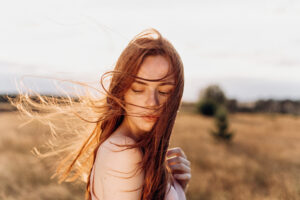
Introduction
Portrait photography is one of the most popular and profitable genres in photography. From professional headshots and weddings to fashion shoots and personal branding, great portraits depend on two critical elements: lighting and posing.
In 2026, with advanced mirrorless cameras, AI-assisted autofocus, and powerful editing tools like Adobe Lightroom and Photoshop, photographers have more control than ever. However, no amount of expensive gear can replace the fundamentals of strong lighting and natural posing.
This guide covers the essential techniques of portrait photography lighting and posing, helping photographers in the United States create professional, flattering, and emotionally engaging portraits.
Why Lighting and Posing Matter Most
A portrait is not just a photo of a person—it is a visual story. Good portraits reveal personality, confidence, and emotion.
Lighting controls:
- Mood
- Skin texture
- Facial shape
- Eye highlights
- Background separation
Posing controls:
- Confidence
- Natural body language
- Facial expression
- Subject comfort
- Visual balance
Mastering both creates portraits that feel intentional rather than accidental.
Part 1: Understanding Portrait Lighting
1. Natural Light (Best for Beginners)
Natural light is often the easiest and most beautiful lighting source for portraits.
Best Times to Shoot
- Golden Hour (sunrise/sunset)
- Open shade
- Window light indoors
- Blue Hour for creative portraits
Why It Works
Soft natural light creates flattering skin tones and reduces harsh shadows.
Avoid strong midday sunlight, which often creates unflattering shadows under the eyes and nose.

2. Key Light Positioning
The position of light changes the entire mood of a portrait.
Common Lighting Angles
Front Lighting
Soft and clean, great for beauty portraits
Side Lighting
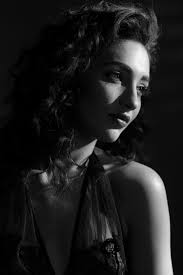
Adds depth and drama
Backlighting
Creates dreamy glow and subject separation
45-Degree Lighting
The most classic portrait setup
Why It Works
Lighting angle shapes the face and adds dimension. Flat light often looks less professional.
3. Using Reflectors
Reflectors are one of the most underrated portrait tools.
They help bounce light back onto the subject and soften harsh shadows.
Common Reflector Colors
- White → soft natural fill
- Silver → stronger contrast
- Gold → warmer skin tones
This is a low-cost upgrade that dramatically improves portraits.
4. Artificial Lighting (Flash & Studio Lights)
For professional work, artificial lighting offers full control.
Common Tools
- Speedlights
- Softboxes
- LED continuous lights
- Beauty dishes
- Strip lights
Why It Works
Artificial lighting gives consistency for studio shoots, branding sessions, and commercial portraits.
It also allows photographers to shoot in any weather or lighting condition.
Part 2: Portrait Posing Essentials
1. Make the Subject Comfortable First
The best posing starts with confidence, not instructions.
Most people are not professional models. The photographer’s job is to create a relaxed environment.
Tips
- Start with conversation
- Give simple instructions
- Show previews on camera
- Encourage natural movement
Comfort creates authenticity.
2. Avoid Flat Body Positioning
Standing straight toward the camera often looks stiff and unnatural.
Better Approach
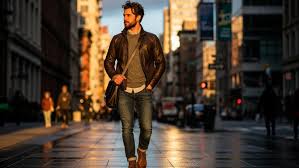
Turn the body slightly at an angle while keeping the face toward the lens.
This creates more shape and flattering body lines.
3. Hands Matter
Hands often create awkward portraits if ignored.
Better Hand Placement
- Light touch on face
- Hands in pockets
- Holding jacket edges
- Natural movement with hair or clothing
Avoid stiff, flat hands pressed against the body.
4. Chin and Jawline Positioning
A small movement makes a huge difference.
Pro Tip
Ask the subject to:
“Bring your forehead slightly forward and chin slightly down.”
This improves jawline definition and avoids double chin effects.
5. Use Movement Instead of Static Posing
Movement creates natural expressions.
Examples
- Walking slowly
- Looking away and back
- Laughing between shots
- Adjusting clothing
- Turning shoulders naturally
This often produces stronger images than fixed posing.

Best Lenses for Portrait Photography
Lens choice has a major impact on portrait quality.
Recommended Portrait Lenses
50mm Prime Lens
Best for:
- Natural portraits
- Street portraits
- Everyday shooting
Examples:
- Canon RF 50mm f/1.8
- Sony FE 50mm f/1.8
85mm Prime Lens
Best for:
- Professional portraits
- Strong background blur
- Headshots
Examples:
- Canon RF 85mm f/1.2L
- Sony FE 85mm f/1.4 GM
70-200mm Zoom Lens
Best for:
- Weddings
- Outdoor portraits
- Luxury portrait compression
Examples:
- Canon RF 70-200mm f/2.8L
- Sony 70-200mm GM II
Full reviews are available in our Lens & Accessories category on ShotInspect.
Editing Portraits with Adobe Tools
Post-processing is essential for professional portraits.
Adobe Lightroom
Best for:
- Skin tone correction
- Exposure adjustments
- Color grading
- Presets and workflow speed
Adobe Photoshop
Best for:
- Skin retouching
- Blemish removal
- Advanced facial adjustments
- Commercial beauty edits
This is where your Adobe affiliate content becomes highly valuable.
Common Portrait Photography Mistakes
1. Bad Midday Light
Harsh sunlight creates strong shadows and poor skin texture.
2. Over-Posing
Too much control makes portraits feel unnatural.
3. Wrong Lens Choice
Wide lenses too close to the face cause distortion.
4. Ignoring Background
A messy background ruins strong portraits.
5. Poor Eye Focus
Eyes should almost always be the sharpest part of the image.
Final Thoughts
Portrait photography in 2026 is not about owning the most expensive camera—it is about understanding people, light, and emotion.
Strong portraits come from a balance of technical control and human connection. By mastering lighting direction, comfortable posing, and proper lens choice, photographers in the U.S. can create portraits that feel professional, authentic, and visually powerful.
The best portrait photographers are not just camera operators—they are visual storytellers.
SEO Keywords Used Naturally
portrait photography tips, portrait lighting guide 2026, best portrait lenses Canon Sony, portrait posing guide, Adobe Lightroom portrait editing, professional portrait photography USA, photography tutorial portraits, best camera lens for portraits