How Professional Photographers Compose Instagram-Worthy Travel Photos
 shotinspect
Introduction
Travel photography has evolved significantly in the social media era. In 2026, many photographers are not only capturing destinations for documentation, but also creating visually compelling images designed specifically for platforms like Instagram, Pinterest, and travel blogs.
In this case study, we break down how professional photographers compose travel images that are both visually striking and highly engaging for online audiences in the United States and beyond.
The Core Idea Behind Instagram-Worthy Travel Photography
The goal of modern travel photography is not just to show a location—it is to create a visual experience that makes viewers feel present in the scene.
Strong travel images usually focus on:
- Strong composition and framing
- Emotional storytelling
- Iconic or recognizable landmarks
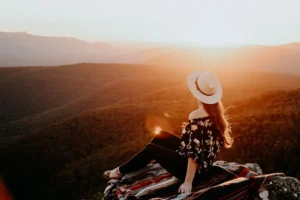
- Human presence for scale
- Color harmony and mood
The image must work both as art and as social media content.
Choosing the Right Travel Scene
Professional photographers carefully select locations that offer visual impact.
Common travel photography environments include:
- Famous landmarks
- Coastal viewpoints
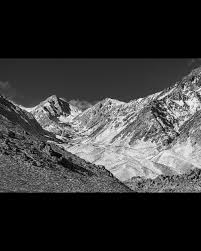
- Mountain landscapes
- Urban skylines
- Cultural streets and architecture
In cities like Paris, photographers often combine architecture, street life, and natural lighting to create highly shareable compositions.
Composition Techniques for Travel Photography
1. Rule of Thirds
Placing landmarks or subjects off-center creates more dynamic compositions.
2. Leading Lines
Roads, bridges, rivers, and pathways guide the viewer’s eye into the frame.
3. Framing with Architecture
Using doors, arches, windows, or natural frames to highlight the subject.
4. Foreground Elements
Adding people, objects, or natural elements increases depth and storytelling.
5. Symmetry
Especially effective for architecture and landmark photography.
The Role of Human Subjects
Adding people into travel photos helps:
- Show scale
- Add emotional connection
- Create storytelling context
- Increase engagement on social media
A simple silhouette can often make a landscape feel more alive.
Lighting in Travel Photography
Light determines the mood of travel images.
1. Golden Hour
- Warm tones
- Soft shadows
- Ideal for cinematic travel shots
2. Blue Hour
- Cool tones
- Urban lights begin to glow
- Great for cityscapes
3. Midday Light
- Harsh but usable with strong composition
- Works well for architecture and contrast-heavy scenes
Camera Settings for Travel Photography
Typical professional settings include:
- Aperture: f/5.6 – f/11 (sharp landscapes and architecture)
- ISO: 100–400 (clean image quality)
- Shutter Speed: adjusted depending on handheld or tripod use
- Focus Mode: single-point autofocus or zone focus
Lens Choices for Travel Photography
Common professional lenses:
- 24–70mm (most versatile travel lens)
- 16–35mm wide-angle lens (landscapes and architecture)
- 50mm prime lens (natural perspective storytelling)
Versatility is more important than specialization in travel photography.
Post-Processing Travel Images
Editing enhances mood and consistency.
Common adjustments:
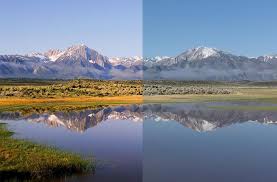
- Color grading for cinematic tone
- Contrast and clarity enhancement
- Sky and highlight recovery
- Subtle saturation control
- Cropping for composition improvement
The goal is to enhance realism, not replace it.
Creating Instagram-Worthy Images
Professional photographers optimize images for social media by focusing on:
1. Strong Visual Hook
The first 1–2 seconds of viewing must capture attention.
2. Color Consistency
A consistent palette improves feed aesthetics.
3. Simplicity
Clean compositions perform better than overly complex scenes.
4. Emotional Appeal
Images that evoke wanderlust or curiosity perform best.

Common Mistakes in Travel Photography
1. Overcrowded Composition
Too many elements reduce focus.
2. Ignoring Lighting Conditions
Bad light can ruin even great locations.
3. Lack of Subject Focus
Landscapes without a focal point feel empty.
4. Over-Editing
Excessive saturation or HDR effects reduce realism.
Why Travel Photography Works on Social Media
Travel photography performs well because it combines:
- Aspirational lifestyle
- Visual storytelling
- Emotional connection
- Discoverability of locations
It encourages engagement and sharing, especially on platforms like Instagram and Pinterest.
Final Thoughts
In 2026, travel photography is no longer just about documenting places—it is about creating visual experiences that connect emotionally with viewers across digital platforms.
For photographers in the United States, mastering composition, lighting, and storytelling is more important than gear alone.
Ultimately, great travel photography does not just show where you were—it shows how it felt to be there.
SEO Keywords
travel photography composition tips 2026, Instagram travel photography guide, how to shoot travel photos like a pro, cinematic travel photography, professional travel photo techniques, best camera settings for travel photography, storytelling travel images