Film vs Digital Photography Case Study: Real Visual Differences Explained
 shotinspect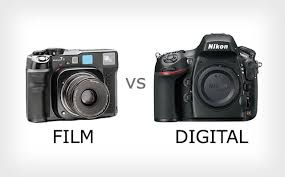
Introduction
The debate between film and digital photography has existed for decades, but in 2026 it is still one of the most searched and discussed topics among photographers in the United States.
While digital photography dominates modern workflows due to convenience and speed, film photography continues to hold strong artistic value and a distinct visual identity that many photographers actively seek.
In this case study, we break down the real differences between film and digital photography based on visual output, workflow, and practical usage.
The Core Difference Between Film and Digital
At the most basic level, the difference lies in how images are captured and processed:
- Film photography captures images using light-sensitive chemical film
- Digital photography captures images using electronic sensors
This fundamental difference affects everything from color rendering to workflow speed.
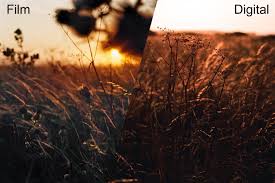
Visual Differences Between Film and Digital
1. Color Rendering
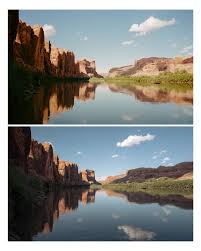
Film photography often produces:
- Softer color transitions
- Warmer tones (depending on film stock)
- Natural highlight roll-off
Digital photography produces:
- More accurate but sometimes harsher colors
- Highly adjustable color profiles
- Consistent white balance
2. Dynamic Range
Film:
- Smooth highlight roll-off
- Natural overexposure handling
Digital:
- Wider dynamic range in modern sensors
- Better shadow recovery in post-processing
3. Grain vs Noise
Film:
- Organic grain texture
- Aesthetic and artistic feel
Digital:
- Sensor noise in low light
- Can be reduced with software
4. Sharpness and Detail
Digital cameras typically provide:
- Higher sharpness
- More micro-detail
- Cleaner image output
Film often produces:
- Softer overall rendering
- Less clinical precision
Workflow Differences
Film Photography Workflow
- Shoot film roll
- Develop film in lab
- Scan negatives
- Edit scanned images (optional)
👉 Slower but more intentional process
Digital Photography Workflow
- Capture image
- Import to computer or cloud
- Edit in software (Lightroom/Photoshop)
- Export and publish
👉 Fast, flexible, and scalable workflow
Creative Control Comparison
Film Photography Strengths
- Limited exposures increase discipline
- Strong aesthetic consistency per film stock
- Organic imperfections add character
Digital Photography Strengths
- Instant feedback
- Unlimited shooting capacity
- Advanced post-processing control
- AI-assisted editing tools
Why Film Photography Is Still Popular in 2026
Despite digital dominance, film photography remains popular because:
- It creates a nostalgic aesthetic
- It encourages slower, more intentional shooting
- It offers unique texture and color character
- It stands out in a digital-heavy visual world
Many professional photographers use both systems depending on project needs.
Hybrid Workflow (Modern Professional Approach)
In 2026, many photographers combine both formats:
- Film for artistic or personal projects
- Digital for commercial and client work
- Film scans edited digitally for final output
This hybrid approach provides both creativity and efficiency.
Equipment Differences
Film Photography Requires:
- Film camera bodies
- Film rolls (ISO-specific)
- External film scanners or lab services
Digital Photography Requires:
- DSLR or mirrorless cameras
- Memory cards
- Editing software (Lightroom, Photoshop)
Cost Comparison
Film photography:
- Ongoing film and development costs
- Higher long-term per-image cost
Digital photography:
- Higher initial equipment cost
- Lower cost per image over time
Common Misconceptions
1. “Film is always better than digital”
Not true—both have different purposes.
2. “Digital images look fake”
Modern digital sensors can be highly natural when processed correctly.
3. “Film requires no editing”
Scanned film often requires digital correction.
Final Thoughts
Film and digital photography are not competitors—they are different creative tools. Each offers unique strengths depending on the photographer’s intention, workflow, and artistic vision.
In 2026, the most successful photographers in the United States often understand how to use both systems effectively rather than choosing one exclusively.
Ultimately, the best format is not film or digital—it is the one that best serves the story you want to tell.
SEO Keywords
film vs digital photography 2026, difference between film and digital cameras, film photography aesthetic guide, digital photography workflow comparison, is film photography better, modern photography techniques, hybrid film digital workflow