Wildlife Photography Breakdown: Timing, Gear, and Settings Explained
 shotinspect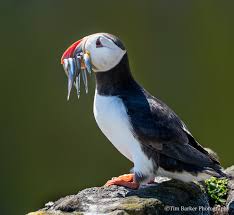
Introduction
Wildlife photography is one of the most demanding and technical genres in photography. Unlike controlled studio or street environments, wildlife photography takes place in unpredictable natural settings where light, movement, and subject behavior are constantly changing.
In this case study, we break down how professional photographers approach wildlife photography in real-world conditions across national parks and natural reserves, including locations in the United States.
What Makes Wildlife Photography Unique
Wildlife photography is not simply about photographing animals. It is about capturing authentic behavior in natural environments.
Strong wildlife images often focus on:
- Natural animal behavior
- Interaction between species
- Survival moments (hunting, feeding, movement)
- Environmental storytelling
- Rare or fleeting actions
The goal is to document life without interference.
Choosing the Right Location
Location is one of the most important factors in wildlife photography success.
Common wildlife environments include:
- National parks
- Forest ecosystems
- Wetlands and rivers
- Coastal wildlife zones
- Mountain habitats
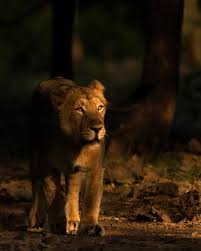
In the United States, places such as Yellowstone National Park are widely recognized for their diverse wildlife populations, including bison, wolves, elk, and birds of prey.
Timing Based on Animal Activity
Wildlife photography depends heavily on timing, especially animal behavior patterns.
Best shooting periods:
1. Early Morning
- Highest animal activity levels
- Soft natural lighting
- Cooler temperatures encourage movement
2. Golden Hour (Sunrise & Sunset)
- Warm directional light
- Strong atmospheric mood
- Ideal for dramatic wildlife scenes
3. Seasonal Behavior Windows
- Migration periods
- Breeding seasons
- Feeding cycles
Understanding animal behavior is more important than technical camera settings.
Camera Settings for Wildlife Photography
Wildlife photography requires fast reaction and precise exposure control.
Recommended settings:
- Aperture: f/4 – f/6.3 (subject separation and sharpness)
- Shutter Speed: 1/1000 – 1/4000 (freeze motion)
- ISO: 400–3200 (depending on lighting conditions)
- Focus Mode: Continuous autofocus (AI tracking preferred)
👉 The goal is to capture fast, unpredictable movement with clarity.
Essential Lens Choices
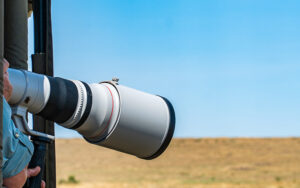
Telephoto lenses are essential in wildlife photography due to distance and safety requirements.
Common professional options include:
- 100–400mm zoom lens (flexibility)
- 200–600mm super telephoto lens (long-range subjects)
- 300mm or 400mm prime lenses (sharpness and speed)
- Teleconverters for extended reach
Long focal lengths allow photographers to maintain safe distance without disturbing animals.
Essential Gear for Wildlife Photography
Professional wildlife photographers rely on durable and high-performance equipment:
- Weather-sealed camera bodies
- High-speed burst shooting capability
- Fast autofocus tracking systems
- Tripod or monopod support
- Extra batteries and memory cards
- Camouflage or neutral clothing for blending in
Field conditions often require long hours of shooting in unpredictable environments.
Composition Techniques in Wildlife Photography
1. Eye-Level Perspective
Shooting at the animal’s eye level creates emotional connection and realism.
2. Environmental Context
Including natural surroundings helps tell a stronger story.
3. Action Capture
Capturing movement such as running, flying, or hunting increases visual impact.
4. Negative Space
Using open space helps emphasize subject isolation and scale.
Patience and Field Strategy
Wildlife photography is often defined by waiting rather than shooting.
Professional photographers typically:
- Observe animal patterns before shooting
- Remain still for long periods
- Predict movement paths
- Use silent shutter modes
- Pre-focus on expected action zones
Many successful images are the result of hours of patience.
Post-Processing Wildlife Images
Editing in wildlife photography is subtle and focused on realism.
Common adjustments include:
- Sharpening subject details
- Noise reduction for high ISO images
- Exposure balancing
- Color correction for natural tones
- Cropping for composition refinement
The goal is to enhance clarity without altering authenticity.
Ethical Considerations
Wildlife photography must follow strict ethical principles:
- Do not disturb natural behavior
- Maintain safe and respectful distance
- Avoid feeding or baiting animals
- Follow protected area regulations
- Prioritize animal welfare over photography
Ethical practice ensures sustainability and conservation respect.
Common Mistakes in Wildlife Photography
1. Using Slow Shutter Speed
Leads to motion blur in fast-moving subjects.
2. Getting Too Close to Wildlife
Can disrupt behavior and create unsafe conditions.
3. Ignoring Background Elements
Distracting backgrounds reduce image quality.
4. Poor Anticipation of Movement
Missing action moments due to lack of observation.
Final Thoughts
Wildlife photography combines technical skill, patience, and deep understanding of nature. In 2026, even with advanced autofocus systems and AI tracking, the most important factor remains the photographer’s ability to observe and anticipate animal behavior.
For photographers in the United States, national parks and wildlife reserves offer endless opportunities to practice and refine this craft.
Ultimately, wildlife photography is not about control—it is about respect for nature and capturing life as it naturally unfolds.
SEO Keywords
wildlife photography breakdown 2026, how to shoot wildlife photography, telephoto lens wildlife guide, Yellowstone wildlife photography, animal photography camera settings, professional wildlife photography tips, nature photography field guide