Best Wide-Angle Lenses for Landscape Photography in 2026 (Ultimate Guide)
 shotinspect
Introduction
Wide-angle lenses are essential tools for landscape photographers. They allow you to capture expansive scenes, dramatic skies, architectural structures, and immersive environments in a single frame.
In 2026, wide-angle lens technology has improved significantly, with better edge sharpness, reduced distortion, and improved autofocus systems across Canon, Sony, Nikon, and Panasonic ecosystems.
This guide covers the best wide-angle lenses for landscape photography in 2026, focusing on performance, value, and real-world usability for photographers in the United States.
Why Wide-Angle Lenses Matter in Landscape Photography
Wide-angle lenses typically range from 14mm to 35mm, offering a broader field of view than standard lenses. This makes them ideal for:
- Mountain landscapes
- Cityscapes and architecture
- Seascapes and beaches
- Night sky and astrophotography
- Interior photography
Key advantages include:
- Greater depth of field
- Enhanced perspective and scale
- Ability to include foreground + background in one shot
- Strong storytelling capability
1. Sony FE 16-35mm f/2.8 GM II (Best Overall Wide-Angle Lens)
Sony’s second-generation 16-35mm GM lens is one of the sharpest wide-angle zoom lenses available in 2026.
Key Features
- Constant f/2.8 aperture
- Ultra-sharp G Master optics
- Fast XD linear autofocus motors
- Lightweight improved design
Performance
This lens delivers exceptional sharpness across the entire frame, even at wide apertures. Distortion is well-controlled, and color rendering is rich and natural.
It performs extremely well for both landscape photography and video work, making it a top choice for hybrid creators.
Astrophotographers will also appreciate its excellent coma control and low-light performance.
Pros
- Extremely sharp across frame
- Excellent autofocus
- Lightweight for a pro lens
Cons
- Premium price
- Still slightly bulky for travel kits
2. Canon RF 15-35mm f/2.8L IS USM (Best for Canon Users)
Canon’s flagship wide-angle zoom is designed for professionals who need both optical quality and stabilization.
Key Features
- Ultra-wide 15mm focal length
- Built-in image stabilization
- L-series weather sealing
- Fast Nano USM autofocus
Performance
The extra 15mm wide end gives Canon users a significant advantage for dramatic landscape shots. Images are sharp and vibrant, with excellent contrast and minimal chromatic aberration.
The built-in stabilization helps when shooting handheld in low light or during video capture.
Pros
- Very wide 15mm perspective
- Excellent stabilization
- Professional build quality
Cons
- Expensive
- Slightly heavy
3. Nikon Z 14-30mm f/4 S (Best Lightweight Landscape Lens)
Nikon’s 14-30mm f/4 S lens is one of the best travel-friendly wide-angle zooms on the market.
Key Features
- Ultra-wide 14mm focal length
- Compact and lightweight design
- Constant f/4 aperture
- Excellent optical performance
Performance
Despite its smaller f/4 aperture, this lens delivers impressive sharpness and clarity. It is particularly popular among travel and landscape photographers who prioritize portability.
At 14mm, it captures extremely wide perspectives, making it ideal for dramatic landscapes and tight urban environments.
Pros
- Lightweight and compact
- Very sharp optics
- Great for travel photography
Cons
- Not ideal for low-light compared to f/2.8 lenses
4. Panasonic Lumix S 14-28mm f/4-5.6 Macro (Best Budget Wide-Angle Option)
A unique and affordable wide-angle zoom for L-mount users.
Key Features
- Macro capability at close range
- Lightweight build
- Wide 14mm coverage
- Affordable price point
Performance
This lens is designed for versatility rather than pure professional performance. It performs well for landscapes, travel photography, and casual video work.
While it doesn’t match the sharpness of premium f/2.8 lenses, it offers excellent value for beginners and hobbyists.
Pros
- Affordable
- Lightweight
- Macro capability
Cons
- Variable aperture
- Less sharp than premium lenses
Buying Guide: Which Wide-Angle Lens Should You Choose?
Choose Sony 16-35mm GM II if:
- You want the best optical performance
- You shoot professional landscapes or video
- You use Sony full-frame system
Choose Canon 15-35mm if:
- You want ultra-wide 15mm coverage
- You need image stabilization
- You shoot hybrid photography/video
Choose Nikon 14-30mm if:
- You want lightweight travel gear
- You prioritize portability
Choose Panasonic 14-28mm if:
- You are on a budget
- You shoot casual landscapes or travel content
Wide-Angle Lenses in Real Landscape Photography
In real-world shooting scenarios, wide-angle lenses are not just about capturing more space—they are about storytelling.
A good wide-angle lens helps you:
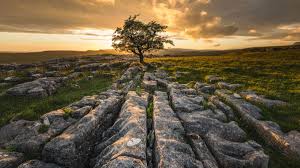
- Emphasize foreground elements like rocks, trees, or buildings
- Create depth and perspective
- Capture environmental context
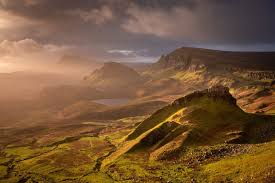
- Highlight dramatic skies and weather conditions
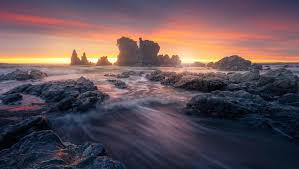
Many professional landscape photographers combine wide-angle lenses with filters (ND, CPL) for long exposure shots, enhancing creative control.
Final Thoughts
Wide-angle lenses remain one of the most important tools in landscape photography. In 2026, modern optical designs have made them sharper, lighter, and more versatile than ever before.
If you are building a serious photography kit, a high-quality wide-angle lens is essential for capturing immersive and cinematic images.
For most photographers in the U.S., the Sony 16-35mm GM II and Canon 15-35mm f/2.8L IS represent the top-tier choices, while Nikon offers the best balance of portability and performance.