Astrophotography 101: Shooting the Night Sky in 2026 (Complete Guide)
 shotinspect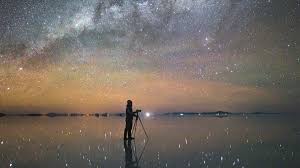
Introduction
Astrophotography is one of the most breathtaking and technically challenging genres in photography. It allows photographers to capture the beauty of the night sky, including stars, the Milky Way, planets, and even deep-sky objects.
In 2026, advancements in low-light camera sensors, wide-aperture lenses, and AI noise reduction have made astrophotography more accessible than ever before. However, capturing sharp, detailed images of the night sky still requires planning, patience, and the right equipment.
This guide will help photographers in the United States understand the fundamentals of astrophotography, camera settings, composition, and gear selection.
What Is Astrophotography?
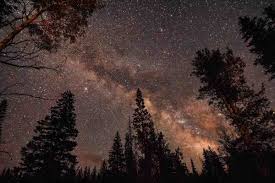
Astrophotography is the practice of photographing celestial objects in the night sky. It includes:
- Milky Way photography
- Star trails
- Planet photography
- Night landscape astrophotography
- Deep-sky imaging (advanced)
Unlike normal photography, astrophotography requires capturing extremely low light conditions with long exposures and precise settings.
Essential Equipment for Astrophotography
1. Camera Body
A good astrophotography camera should have:
- High ISO performance
- Low noise sensor
- Manual control capabilities
Recommended Cameras:
- Canon EOS R6 Mark II
- Sony A7S III
- Nikon Z6 II
These cameras perform exceptionally well in low-light environments.
2. Wide-Angle Fast Lenses (Most Important Gear)
A fast wide-angle lens is essential for capturing the night sky.
Recommended Lenses:
- Canon RF 15-35mm f/2.8L
- Sony 14mm f/1.8 GM
- Sigma 20mm f/1.4
Why It Matters
Wide lenses capture more of the sky, while wide apertures allow more light into the sensor, essential for capturing faint stars.
3. Tripod (Critical for Stability)
A sturdy tripod is absolutely necessary for astrophotography.
Recommended:
- Peak Design Travel Tripod
- Manfrotto MT055XPRO3
Even the smallest movement can ruin long exposure shots of the stars.
4. Star Tracker (Advanced Tool)
A star tracker compensates for Earth’s rotation, allowing much longer exposures without star trails.
Benefits:
- Sharper Milky Way images
- Longer exposure times
- Higher image quality
5. Remote Shutter or Timer
Prevents camera shake when triggering long exposures.
Camera Settings for Astrophotography
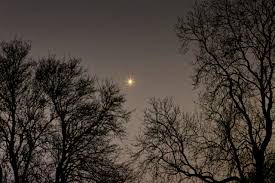
Recommended Settings
- Aperture: f/1.4 – f/2.8
- Shutter Speed: 10–25 seconds
- ISO: 1600–6400
- Focus: Manual focus (infinity focus)
Why These Settings Work
These settings balance light capture with star sharpness. Too long exposure causes star trails unless using a tracker.
How to Focus in the Dark
Focusing at night is one of the biggest challenges in astrophotography.
Methods:
- Use live view zoom on a bright star
- Focus on distant light sources before darkness
- Use infinity focus marking on lens (with fine adjustment)
Composition Techniques for Night Sky Photography
1. Include Foreground Elements
A strong foreground adds depth and storytelling:
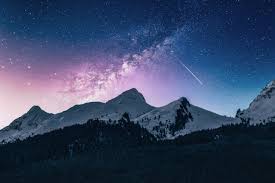
- Mountains
- Trees
- Rock formations
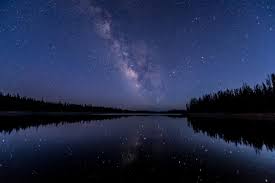
- Lakes and reflections
2. Use Leading Lines
Natural lines guide the viewer toward the Milky Way or star clusters.
3. Balance Sky and Land
Avoid filling the frame with only sky—include Earth elements for scale and interest.
4. Rule of Thirds
Position the Milky Way or horizon line along thirds for balanced composition.
Best Time for Astrophotography
1. New Moon Phase
Dark skies with minimal moonlight produce the best visibility of stars.
2. Milky Way Season
In the Northern Hemisphere (U.S.):
- Best visibility: March to October
- Peak months: June to August
3. Dark Sky Locations
Best results come from areas with low light pollution:
- National parks
- Desert regions
- Remote mountain areas
Post-Processing Astrophotography Images
Editing is essential in astrophotography.
Adobe Lightroom
- Adjust exposure and contrast
- Reduce noise
- Enhance Milky Way structure
Adobe Photoshop
- Stack multiple exposures
- Remove light pollution gradients
- Enhance star clarity
Common Mistakes in Astrophotography
1. Overexposing the Sky
Too high ISO or long exposure can wash out stars.
2. Light Pollution Ignorance
City lights severely reduce image quality.
3. Incorrect Focus
Slight misfocus makes stars appear blurry.
4. Poor Weather Planning
Clouds or humidity can ruin night sky visibility.
Recommended Gear for Astrophotography
- Canon RF 15-35mm f/2.8L (wide and sharp)
- Sony 14mm f/1.8 GM (ultra-wide astrophotography lens)
- Peak Design Travel Tripod (stability in field conditions)
- Star Tracker (for advanced astrophotography)
You can explore full gear reviews in the Lens & Accessories section on ShotInspect.
Final Thoughts
Astrophotography combines science, patience, and creativity. While modern cameras in 2026 make it easier to capture the night sky, success still depends on planning, technique, and understanding of natural conditions.
For photographers in the U.S., astrophotography offers one of the most rewarding experiences—capturing the vastness of the universe from Earth.
The night sky is constantly changing, and every shot is a unique moment in time that will never repeat.
SEO Keywords Used Naturally
astrophotography guide 2026, Milky Way photography tips, night sky photography settings, best lens for astrophotography, star photography USA, long exposure night sky, Canon astrophotography settings, beginner astrophotography guide