Understanding Depth of Field for Creative Photography in 2026 (Complete Guide)
 shotinspect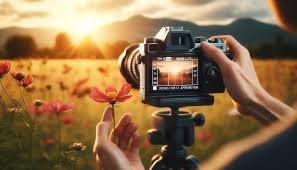
Introduction
Depth of Field (DoF), or “景深,” is one of the most important concepts in photography. It controls how much of an image appears sharp from front to back. Whether you're shooting portraits, landscapes, macro, or street photography, understanding depth of field is essential for creating visually powerful images.
In 2026, with advanced lens designs and mirrorless camera systems, photographers have more control over depth of field than ever before. However, the fundamental principles remain the same.
This guide explains what depth of field is, how it works, and how to use it creatively in real-world photography.
What Is Depth of Field?
Depth of field refers to the area of an image that appears acceptably sharp.
- Shallow Depth of Field → Only a small part of the image is in focus (background blur)
- Deep Depth of Field → Most of the image from front to back is in focus
This effect is controlled by a combination of camera settings, lens choice, and subject distance.
The Three Main Factors That Affect Depth of Field
1. Aperture (Most Important Factor)
Aperture controls how much light enters the lens and directly affects depth of field.
Wide Aperture (e.g., f/1.4 – f/2.8)
- Shallow depth of field
- Strong background blur (bokeh)
- Ideal for portraits and subject isolation
Narrow Aperture (e.g., f/8 – f/16)
- Deep depth of field
- More of the scene in focus
- Ideal for landscapes and architecture
2. Focal Length
Lens focal length also affects depth of field.
Wide-Angle Lenses (16–35mm)
- Naturally deeper depth of field
- More of the scene appears sharp
Telephoto Lenses (85–200mm+)
- Strong background compression
- Easier to create background blur
3. Distance to Subject
The closer you are to your subject, the shallower the depth of field becomes.
Example:
- Close-up portrait → very blurred background
- Far landscape shot → everything in focus
Shallow Depth of Field (Creative Use)
Shallow depth of field is often used to isolate subjects and create artistic separation from the background.
Best Uses:
- Portrait photography
- Macro photography
- Street photography
- Product photography
Why It Works
It draws attention directly to the subject and removes distractions from the background.
Deep Depth of Field (Maximum Sharpness)
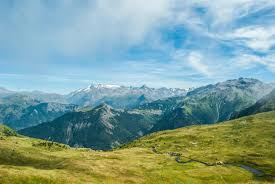
Deep depth of field ensures that everything in the frame is sharp from front to back.
Best Uses:
- Landscape photography
- Architecture photography
- Group photos
- Travel photography
Why It Works
It provides clarity and detail across the entire scene, which is essential for environmental storytelling.
Hyperfocal Distance (Advanced Technique)
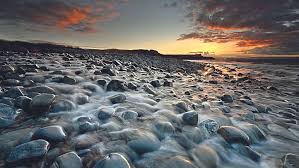
Hyperfocal distance is a technique used to maximize depth of field in landscape photography.
What It Means
It is the focus distance that gives the greatest depth of field from foreground to infinity.
Why It Matters
By focusing at the hyperfocal distance, you can ensure both near and far objects appear sharp.
How to Control Depth of Field in Practice
Step 1: Choose Aperture First
- Portraits → f/1.4 – f/2.8
- Landscapes → f/8 – f/16
Step 2: Adjust Focal Length
- Use longer lenses for stronger background blur
- Use wide lenses for greater scene sharpness
Step 3: Control Subject Distance
- Move closer for more blur
- Move further for more depth

Depth of Field in Different Photography Genres
Portrait Photography
- Shallow DoF isolates subject
- Creates creamy background blur (bokeh)
Landscape Photography
- Deep DoF ensures sharp details everywhere
- Often combined with tripod and small aperture
Macro Photography
- Extremely shallow DoF
- Often requires focus stacking
Street Photography
- Balanced DoF depending on storytelling style
- Zone focusing often used
Lens Choice and Depth of Field
Lens selection plays a major role in controlling DoF.
Recommended Lenses
Portrait Lenses
- Canon RF 85mm f/1.2L
- Sony 85mm f/1.4 GM
Landscape Lenses
- Canon RF 15-35mm f/2.8L
- Sony 16-35mm GM
Versatile Zoom Lenses
- Canon RF 24-70mm f/2.8L
- Tamron 28-75mm f/2.8
Full lens comparisons are available in the Lens & Accessories section on ShotInspect.
Common Mistakes with Depth of Field
1. Using Too Wide Aperture Everywhere
Not every photo benefits from background blur.
2. Ignoring Focus Accuracy
At shallow depth of field, even slight misfocus ruins the image.
3. Overcomplicating Settings
Depth of field should serve composition—not distract from it.
4. Wrong Lens Choice
Wide-angle lenses are not ideal for strong subject isolation.
Creative Uses of Depth of Field
1. Subject Isolation
Highlighting one subject in a busy environment.
2. Storytelling Layers
Using different focus planes to tell a visual story.
3. Emotional Impact
Shallow DoF often creates intimacy, while deep DoF creates realism.
4. Cinematic Style
Many cinematic images rely heavily on controlled depth of field.
Final Thoughts
Depth of field is one of the most powerful creative tools in photography. It allows photographers to control attention, emotion, and storytelling within a single frame.
In 2026, modern cameras and lenses make controlling DoF easier, but understanding the underlying principles is still essential.
For photographers in the U.S., mastering depth of field is a key step toward producing professional-level images across all genres—from portraits to landscapes to macro photography.
Ultimately, depth of field is not just a technical setting—it is a creative language.