Panasonic Lumix GH6 Review: The Best Micro Four Thirds Camera for 2026?
 shotinspect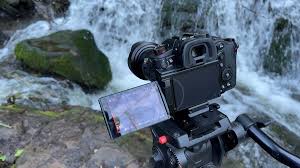
Introduction
Panasonic’s Lumix GH series has long been a favorite among videographers and hybrid shooters seeking high-quality video in a compact body. The Lumix GH6, released in 2026, pushes the boundaries of Micro Four Thirds (MFT) cameras with advanced video features, fast performance, and improved autofocus. This review will examine the GH6’s strengths, limitations, and why it might be the top choice for content creators in the U.S. and globally.
Design and Build Quality
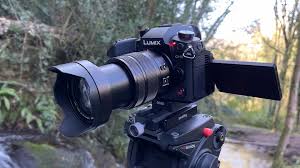
The GH6 maintains Panasonic’s robust and ergonomic design. Weighing approximately 822 grams with battery and memory card, it is larger than many MFT cameras but remains significantly lighter than full-frame options. The magnesium alloy body is fully weather-sealed, making it suitable for outdoor shooting in a variety of conditions, including rain, dust, and moderate snow.
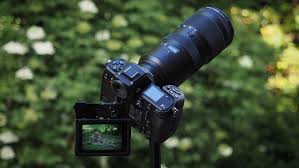
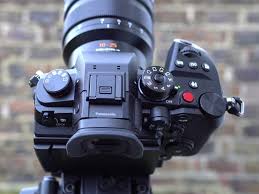
The fully articulating LCD screen supports touch input for focus, menu navigation, and live monitoring. The electronic viewfinder (EVF) features a high-resolution OLED panel with 3.68 million dots, providing a sharp and accurate view for both photo and video compositions. Physical controls and dials are well-placed, offering quick access to shutter speed, ISO, aperture, and other settings.
Sensor and Image Quality
At the heart of the GH6 is a 25.2-megapixel Micro Four Thirds sensor paired with the latest Venus Engine processor. Despite the smaller sensor size compared to full-frame cameras, the GH6 delivers impressive detail, color accuracy, and dynamic range.
Low-light performance has improved, with a native ISO range of 100–25600, expandable to 50–51200. Noise is well-controlled for MFT standards, allowing clean images in dim environments such as indoor events, street photography at night, or low-light video recording. Panasonic’s color science ensures vibrant and pleasing tones, particularly for skin tones and natural landscapes.
Autofocus and Performance
The GH6 features an updated Depth-from-Defocus (DFD) autofocus system, offering fast and reliable tracking. Face and eye detection are effective for human subjects, but continuous autofocus may struggle slightly with fast-moving wildlife compared to full-frame systems.
Continuous shooting is rated up to 12 frames per second (fps) with AF-S and 8 fps with AF-C, suitable for most photography applications. While not designed for high-speed sports photography, it is excellent for street photography, portraiture, and hybrid workflows.
Video Capabilities
Video performance is the GH6’s standout feature. It offers 5.7K 60fps recording internally with 10-bit 4:2:2 color, along with 4K 120fps slow-motion capabilities. The camera also supports V-Log, HLG, and high dynamic range recording for post-production flexibility.
In-body image stabilization (IBIS) offers up to 6.5 stops of correction, making handheld video shooting stable and smooth. Combined with Panasonic’s optical lens stabilization, the GH6 is ideal for vloggers, YouTubers, and independent filmmakers who prioritize mobility and image quality.
Connectivity and Workflow
Dual SD card slots (UHS-II compatible) provide fast and reliable storage options. Wi-Fi, Bluetooth, and USB-C connectivity enable image transfer, remote shooting, and tethered workflows. Panasonic’s Lumix Sync app allows easy mobile integration, facilitating on-the-go editing and sharing.
Pros
- Exceptional video capabilities for a Micro Four Thirds camera
- IBIS ensures stable handheld video and photography
- Robust build with full weather sealing
- Compact compared to full-frame cameras
- Accurate color science for natural tones
Cons
- Smaller sensor limits low-light performance compared to full-frame cameras
- Continuous autofocus not as fast as top-tier full-frame models
- Limited depth of field control due to MFT sensor size
Comparison with Competitors
Compared to full-frame hybrid cameras like the Canon EOS R6 Mark II and Sony A7 IV, the GH6 offers superior portability and specialized video features but slightly less low-light performance and shallow depth-of-field capabilities. It is an ideal choice for creators prioritizing video, vlogging, or travel photography.
Conclusion
The Panasonic Lumix GH6 is arguably the best Micro Four Thirds camera for hybrid shooters and videographers in 2026. Its advanced video capabilities, reliable stabilization, and compact design make it highly versatile for a range of professional and enthusiast applications.
For U.S. content creators seeking a portable yet powerful video-centric camera, the GH6 provides an excellent balance of performance, image quality, and portability. Its hybrid features make it an ideal tool for modern photographers and videographers who need a versatile camera system.
SEO Keywords Naturally Included: Panasonic Lumix GH6, Micro Four Thirds camera, 5.7K video camera, hybrid camera review, best mirrorless camera 2026, video-centric camera, photography gear USA, Panasonic camera review