Mastering Long Exposure Photography: Tips and Techniques in 2026
 shotinspect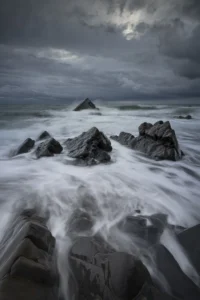
Introduction
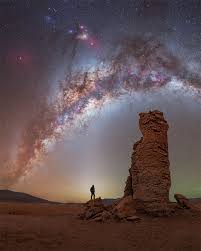
Long exposure photography is one of the most captivating techniques in the photography world. By slowing down the shutter speed, you can capture motion in ways that the human eye cannot see—turning flowing water into a silky smooth river, clouds into streaking patterns, or city lights into vibrant trails.
In 2026, advancements in camera technology, lenses, and accessories have made long exposure photography more accessible than ever. Whether you’re a beginner with a mirrorless setup or a professional shooting landscapes in the U.S., this guide will teach you essential tips, techniques, and equipment to master long exposure photography.
Understanding Long Exposure Photography
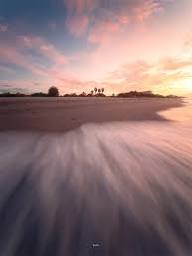
Long exposure photography works by allowing your camera’s shutter to stay open longer than usual. This extended exposure time captures motion as blur, creating a smooth and dreamy effect.
Key factors that influence long exposure photography:
- Shutter Speed: Usually ranges from 1 second to several minutes
- Aperture: Determines depth of field and light intake
- ISO: Lower ISO reduces noise and preserves detail
- Filters: ND (Neutral Density) filters are often essential to reduce light in bright conditions
Using these elements correctly allows photographers to achieve stunning motion effects while maintaining sharp static subjects.
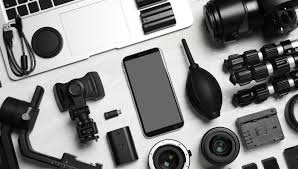
Essential Equipment for Long Exposure Photography
- Camera Body
- Mirrorless cameras like Canon EOS R6 Mark II or full-frame DSLRs are ideal due to superior image stabilization and low-light performance.
- Lenses
- Wide-angle lenses are preferred for landscapes. Canon RF 15-35mm f/2.8L or RF 24-70mm f/2.8L lenses provide excellent sharpness and minimal distortion.
- Tripods
- Stability is critical. Tripods like the Peak Design Travel Tripod or Manfrotto MT055XPRO3 ensure no camera shake during long exposures.
- ND Filters
- Neutral Density filters like B+W ND1000 or NiSi ND kits allow longer shutter speeds in bright daylight.
- Remote Shutter Release
- Prevents vibration when triggering the camera, crucial for long exposures.
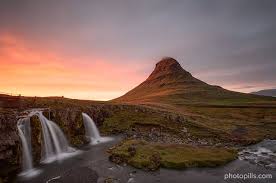
Step-by-Step Long Exposure Technique
1. Plan Your Shot
- Use apps like PhotoPills or The Photographer’s Ephemeris to plan the movement of clouds, water, or light.
- Consider composition and lighting conditions.
2. Set Up Your Tripod
- Ensure your tripod is on a stable surface.
- Lock all legs securely.
3. Compose and Focus
- Frame your subject carefully.
- Use manual focus for static elements to ensure sharpness.
4. Apply ND Filter if Needed
- In bright conditions, attach an ND filter to reduce light and allow longer shutter speeds.
- Test different exposure times to achieve desired motion blur.
5. Adjust Camera Settings
- Shutter speed: 5–30 seconds for flowing water, longer for clouds or light trails.
- Aperture: f/8–f/16 for sufficient depth of field.
- ISO: 100–400 to minimize noise.
6. Capture the Shot
- Use a remote or timer to trigger the shutter.
- Review your histogram and adjust exposure if necessary.
7. Post-Processing
- Adjust highlights, shadows, and contrast to enhance the smooth motion effect.
- Lightroom and Photoshop are ideal for refining long exposure images.
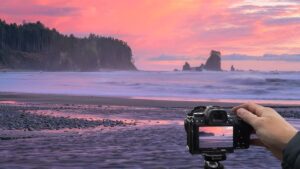
Advanced Tips for Stunning Results
- Shoot During Golden Hours or Blue Hour
- Natural lighting enhances colors and textures in long exposure photography.
- Use Graduated ND Filters
- Helps balance bright skies and darker foregrounds, common in landscape photography.
- Experiment with Water Motion
- Longer exposures create silk-like rivers, waterfalls, and ocean waves.
- Include Static Foreground Elements
- Rocks, trees, or buildings add interest and anchor the composition.
- Stack Multiple Exposures
- For very long exposures without overexposing, combine multiple shots in post-processing.
Recommended Gear for Long Exposure Photography
- Canon RF 15-35mm f/2.8L – Sharp wide-angle lens perfect for landscapes.
- Peak Design Travel Tripod – Lightweight and stable for outdoor shoots.
- B+W ND1000 Filter – 10-stop ND filter for ultra-long exposures.
- Wireless Remote Shutter Release – Prevents camera shake.
You can find reviews and purchase links on our Lens Category page for all the recommended gear.
Common Mistakes to Avoid
- Skipping the Tripod: Any camera movement ruins long exposure shots.
- Overexposure in Daylight: Always use ND filters for bright conditions.
- Ignoring Composition: Motion blur works best with strong, static foreground subjects.
- Neglecting RAW Format: RAW allows more control in post-processing.
Final Thoughts
Long exposure photography in 2026 is accessible for both beginners and professionals thanks to modern cameras, lenses, and accessories. Mastering this technique requires patience, planning, and the right gear, but the results are stunning and highly rewarding.
By combining proper planning, stable support, and quality ND filters, photographers can create dreamy landscapes, dramatic skies, and cinematic water motion.
For photographers in the U.S., incorporating long exposure techniques into your workflow not only elevates your creative portfolio but also enhances your ability to produce professional-grade images that stand out online.
SEO Keywords Used Naturally
long exposure photography 2026, long exposure tips, Canon RF long exposure lens, best ND filter for photography, travel photography long exposure, landscape long exposure guide, photography tutorials USA