Macro Photography Techniques: Getting Close and Sharp in 2026 (Complete Guide)
 shotinspect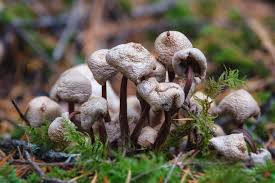
Introduction
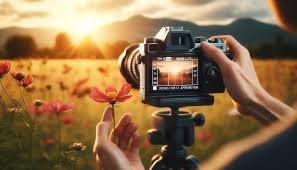
Macro photography reveals a hidden world that most people never notice. From the intricate structure of insects to the fine textures of flowers, fabric, and everyday objects, macro photography allows photographers to capture extreme close-up detail that feels almost surreal.
In 2026, advances in high-resolution sensors, focus stacking technology, and specialized macro lenses have made it easier than ever to achieve professional-quality close-up images. However, macro photography still requires patience, precision, and the right techniques.
This guide will help photographers in the United States master macro photography techniques, gear selection, and composition strategies for stunning close-up images.
What Is Macro Photography?
Macro photography refers to capturing subjects at a very close distance, typically at a 1:1 magnification ratio or higher. This means the subject is reproduced on the camera sensor at life size or larger.
Common macro subjects include:
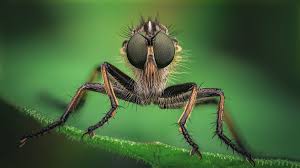
- Insects (bees, butterflies, ants)
- Flowers and plants
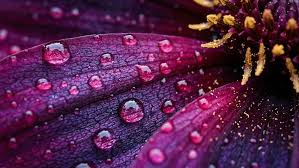
- Water droplets
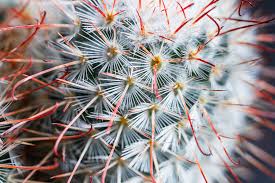
- Textures (fabric, skin, metal surfaces)
- Small objects and product details
Macro photography reveals details that are invisible to the naked eye.
Essential Equipment for Macro Photography
1. Macro Lenses (Most Important Tool)
A dedicated macro lens is essential for true close-up photography.
Recommended Options:
- Canon RF 100mm f/2.8L Macro IS USM
- Sony FE 90mm f/2.8 Macro G OSS
- Nikon Z MC 105mm f/2.8 VR S
Why It Matters
Macro lenses are designed for:
- Extreme sharpness at close distances
- Minimal distortion
- High magnification ratios
- Precise focusing control
2. Extension Tubes (Budget Alternative)
Extension tubes increase the distance between the lens and sensor, allowing closer focusing.
Advantages:
- Affordable
- Works with existing lenses
- Lightweight
Limitations:
- Reduced light
- Manual focus often required
- Lower optical quality compared to macro lenses
3. Tripod (Critical for Stability)
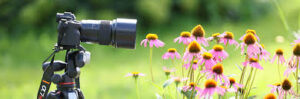
Macro photography requires extreme stability due to shallow depth of field.
Recommended:
- Peak Design Travel Tripod
- Manfrotto MT series
4. Lighting Equipment
Lighting is one of the most important aspects of macro photography.
Options:
- Ring lights (even illumination)
- LED panels (soft lighting)
- External flashes with diffusers
Camera Settings for Macro Photography
Recommended Settings
- Aperture: f/8 – f/16 (increases depth of field)
- Shutter Speed: 1/125 or faster (or use tripod for longer exposures)
- ISO: 100–400 (minimize noise)
- Focus Mode: Manual focus (preferred for precision)
Why It Works
Macro photography has extremely shallow depth of field, so controlling sharpness is critical.
Focus Stacking Technique
One of the most powerful macro photography techniques in 2026 is focus stacking.
How It Works
Instead of taking one image, you capture multiple images at different focus points and merge them in post-processing.
Benefits
- Increased sharpness across entire subject
- Perfect for insects and detailed textures
- Professional-level clarity
Software
- Adobe Photoshop
- Helicon Focus
Composition Techniques in Macro Photography
1. Focus on Texture
Macro photography is all about detail:
- Petal veins
- Insect wings
- Surface textures
2. Use Negative Space
Clean backgrounds help emphasize small subjects.
3. Control Background Blur
A smooth, blurred background isolates the subject and enhances clarity.
4. Symmetry and Patterns
Nature often provides natural symmetry:
- Flower petals
- Insect wings
- Water droplets

Lighting Techniques for Macro Photography
1. Natural Light
Soft daylight provides the most natural look.
Best conditions:
- Early morning
- Cloudy weather
- Shade areas
2. Artificial Light
Used for full control over shadows and highlights.
Tools:
- Ring flashes
- LED panels
- Diffused speedlights
3. Diffusion is Key
Harsh light destroys macro detail. Always use diffusers to soften light.
Best Macro Photography Subjects
Nature Subjects
- Insects
- Flowers
- Leaves
Everyday Objects
- Jewelry
- Fabric textures
- Food details
- Water droplets
Best Lenses for Macro Photography
100mm Macro Lens (Most Popular)
Best for:
- Insects
- Flowers
- Product photography
60mm Macro Lens
Best for:
- Indoor macro work
- Small objects
- Budget setups
90–105mm Macro Lenses
Best for:
- Professional wildlife macro
- More working distance from subject
You can explore full macro lens reviews in our Lens & Accessories section on ShotInspect.
Common Macro Photography Mistakes
1. Shallow Depth of Field Misuse
Too wide aperture results in soft, unusable images.
2. Camera Shake
Even slight movement ruins sharpness. Tripod is essential.
3. Poor Lighting
Harsh light creates unwanted shadows and highlights.
4. Wrong Focus Point
Focusing on the wrong part of the subject (e.g., insect body instead of eyes) reduces impact.
Final Thoughts
Macro photography in 2026 opens a completely new visual world, allowing photographers to explore extreme detail and textures that are invisible in everyday life.
While modern cameras and lenses make the process easier, macro photography still demands patience, precision, and careful control of focus and lighting.
For photographers in the U.S., macro photography is a powerful way to expand creative skills, especially for nature, product, and commercial work.
The smallest details often create the most powerful images.
SEO Keywords Used Naturally
macro photography tips 2026, close-up photography guide, best macro lens Canon Sony, insect macro photography, flower photography techniques, focus stacking photography, macro photography lighting, professional macro photography USA