Landscape Photography Composition: A Complete Guide in 2026
 shotinspect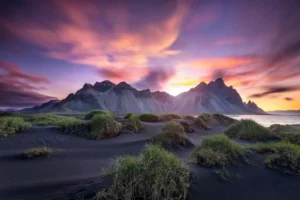
Introduction
Landscape photography is more than simply capturing beautiful scenery—it is about composition, storytelling, and creating emotional impact through visual balance. Even with the best camera and lens, a poorly composed image can feel flat and forgettable.
In 2026, with high-resolution mirrorless cameras and advanced editing tools, photographers have more technical power than ever. However, composition remains the true difference between an average photo and a stunning one.
This guide will teach you the most important landscape photography composition techniques, helping photographers in the United States create stronger, more professional images in nature, travel, and outdoor photography.
Why Composition Matters in Landscape Photography
Composition is the arrangement of visual elements inside your frame. It controls how viewers experience your image and where their eyes naturally move.
Strong composition helps you:
- Create depth and dimension
- Direct the viewer’s attention
- Tell a visual story
- Balance foreground and background
- Make ordinary scenes feel extraordinary
Landscape photography is often less about the subject itself and more about how you frame it.
1. Rule of Thirds (The Foundation of Composition)
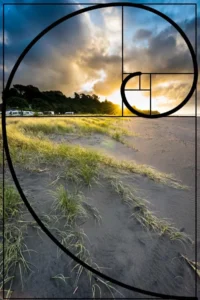
The Rule of Thirds is one of the most basic and effective composition techniques.
How It Works
Imagine dividing your frame into 9 equal sections using two vertical and two horizontal lines.
Important elements should be placed along these lines or at the intersections.
Why It Works
It creates balance and avoids the “boring center” effect.
Example
Instead of placing the horizon in the middle:
- Put the sky on the top third if the foreground is stronger
- Put the land on the bottom third if the sky is dramatic
This immediately improves visual balance.
2. Leading Lines (Guide the Viewer’s Eye)
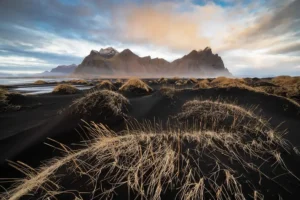
Leading lines help direct attention naturally through the image.
Common Leading Lines
- Roads
- Rivers
- Fences
- Mountain ridges
- Shorelines
- Paths and trails
Why It Works
Lines create movement and visual flow, pulling viewers deeper into the scene.
This makes images feel immersive rather than flat.
3. Foreground Interest (Add Depth)
One of the biggest mistakes beginners make is ignoring the foreground.
A strong foreground creates a sense of depth and makes the viewer feel present in the scene.
Great Foreground Subjects
- Rocks
- Flowers
- Trees
- Reflections
- Water textures
- Sand patterns
Why It Works
Foreground + middle ground + background creates a full visual journey.
This transforms a simple landscape into a cinematic image.
4. Use Natural Framing
Natural framing uses objects within the environment to frame your main subject.
Examples
- Trees surrounding a mountain
- Cave openings framing the ocean
- Arches around architecture
- Windows framing city views
Why It Works
It adds depth, structure, and helps focus attention on the subject.
5. Symmetry and Reflections
Symmetry creates visual harmony and powerful simplicity.
This is especially effective with:
- Lakes
- Wet streets
- City reflections
- Architecture
- Mountains mirrored in water
Why It Works
Symmetry creates emotional calm and visual impact.
Even minimal scenes become highly engaging.
6. Negative Space (Less Is More)
Not every frame needs to be full of details.
Negative space refers to the empty areas around your subject.
Examples
- Large skies
- Open water
- Snow fields
- Desert landscapes
Why It Works
It creates mood, simplicity, and elegance.
This technique is powerful for fine art and minimalist photography.
7. Use Light as Part of Composition
Light is not just exposure—it is composition.
Golden hour and blue hour dramatically change how landscapes feel.
Best Light Situations
- Sunrise side lighting
- Sunset warm tones
- Blue hour city glow
- Storm light contrast
Why It Works
Light shapes texture, depth, and emotion.
The same scene can look completely different depending on the light.
Best Lenses for Landscape Composition
Lens choice strongly affects composition.
Recommended Options
Wide-Angle Lenses
Best for:
- Mountains
- Seascapes
- Architecture
- Foreground emphasis
Examples:
- Canon RF 15-35mm f/2.8L
- Sony 16-35mm GM II
Standard Zoom Lenses
Best for:
- Travel landscapes
- Flexible framing
- Compression + balance
Examples:
- Canon RF 24-70mm f/2.8L
- Tamron 28-75mm f/2.8
Telephoto Lenses
Best for:
- Mountain compression
- Distant subjects
- Minimalist compositions
Examples:
- Canon RF 70-200mm f/2.8L
- Sony 100-400mm GM
Full reviews of these lenses are available in our Lens & Accessories section on ShotInspect.
Common Composition Mistakes to Avoid
1. Centering Everything
Beginners often place subjects in the exact center, which weakens visual flow.
2. Ignoring the Foreground
Without foreground interest, landscapes often feel flat.
3. Cluttered Frames
Too many elements create confusion. Simplicity often wins.
4. Bad Horizon Placement
Avoid placing the horizon directly in the center unless symmetry is the goal.
5. Poor Light Timing
Great composition often depends on great light. Midday light is usually the weakest option.
Final Thoughts
Landscape photography composition is what transforms beautiful places into powerful photographs. In 2026, cameras are smarter than ever—but composition still depends entirely on the photographer’s eye.
By mastering the Rule of Thirds, leading lines, foreground depth, and the use of light, photographers in the U.S. can create stronger images that feel professional, cinematic, and emotionally memorable.
Great photography is rarely about finding better locations—it is about learning to see better compositions in the places already around you.
SEO Keywords Used Naturally
landscape photography composition, photography composition guide 2026, best landscape photography tips, rule of thirds photography, leading lines in landscape photography, wide angle lens for landscapes, travel photography USA, composition tutorial photography