How to Shoot Stunning Night Photography in 2026: Complete Guide
 shotinspect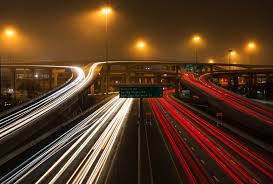
Introduction
Night photography transforms ordinary scenes into dramatic, ethereal images. Capturing city lights, starry skies, or illuminated landmarks requires careful planning, the right equipment, and proper camera settings.
In 2026, advancements in low-light camera sensors, fast lenses, and accessories make night photography accessible for both beginners and professionals. Whether you shoot urban cityscapes in the U.S. or astrophotography in remote locations, mastering night photography elevates your creative portfolio.
Understanding Night Photography
Night photography is all about controlling exposure in low-light conditions. The primary goal is to capture sufficient light without introducing excessive noise or blur. Key elements include:
- Shutter Speed: Longer exposures capture more light and motion effects.
- Aperture: Wide apertures (f/1.4–f/2.8) help gather light, while smaller apertures increase depth of field.
- ISO Sensitivity: Higher ISO settings amplify light but can introduce noise.
- White Balance: Proper adjustment ensures natural-looking night colors.
Night photography often requires combining technical skills with creativity to highlight light patterns, reflections, and movement.
Essential Equipment for Night Photography
- Camera Body
- Full-frame mirrorless cameras (Canon EOS R6, Sony A7 IV) excel in low-light performance.
- High ISO capabilities minimize noise in dark environments.
- Lenses
- Fast prime lenses (f/1.4–f/2.8) are ideal for night photography.
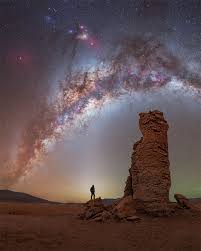
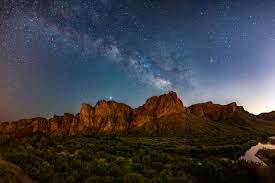
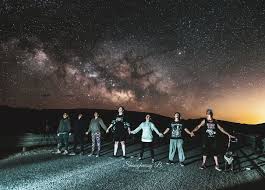
- Wide-angle lenses help capture expansive cityscapes or Milky Way shots.
- Tripod
- Stability is crucial for long exposures. Recommended options: Peak Design Travel Tripod or Manfrotto MT055XPRO3.
- Remote Shutter Release or Intervalometer
- Prevents camera shake and enables timed exposures.
- Filters
- ND filters are less common at night, but a light pollution filter can improve star photography.
- Headlamp or Flashlight
- Essential for adjusting gear in the dark.
Step-by-Step Night Photography Technique
1. Plan Your Shoot
- Use apps like PhotoPills or Stellarium to track moon phases and star positions.
- Scout locations during the day to identify safe and visually appealing spots.
2. Set Up Your Tripod
- Make sure the tripod is stable on uneven terrain.
- Lock all legs to avoid vibrations during long exposures.
3. Compose Your Frame
- Include static foreground elements for context.
- Position lights, reflections, or architectural lines strategically.
4. Adjust Camera Settings
- Shutter Speed: 10–30 seconds for cityscapes, longer for astrophotography.
- Aperture: f/2.8–f/4 depending on lens and desired depth of field.
- ISO: 800–3200 (test for noise performance).
5. Use Long Exposure Techniques
- For star trails, use exposures of 15–30 minutes or stack multiple shorter exposures.
- For light trails, position vehicles strategically to capture motion lines.
6. Capture Multiple Shots
- Bracket exposures for HDR blending to balance bright lights and dark shadows.
7. Post-Processing
- Adjust highlights, shadows, and contrast to enhance night tones.
- Reduce noise with Lightroom, Photoshop, or specialized noise reduction software.
Advanced Night Photography Tips
- Shoot During Blue Hour
- Captures rich sky tones just after sunset or before sunrise.
- Include Reflections
- Wet streets, rivers, or lakes create dynamic light reflections.
- Star Tracking
- Use star trackers for longer astrophotography exposures without streaking stars.
- Light Painting
- Illuminate subjects with handheld lights for creative effects.
- Bracketing and HDR
- Combines multiple exposures to manage contrast between city lights and dark surroundings.
Recommended Gear for Night Photography
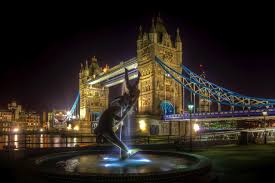
- Canon RF 24-70mm f/2.8L – Versatile for cityscapes and landmarks.
- Peak Design Travel Tripod – Stable for long exposure shots.
- Wireless Remote Shutter Release – Eliminates camera shake.
- NiSi Light Pollution Filter – Improves astrophotography in urban areas.
You can check reviews and buying options in our Lens Category.
Common Mistakes to Avoid
- Skipping Tripod: Essential for sharp images in low light.
- Using Auto ISO Only: Manual ISO gives more control over noise.
- Neglecting Focus: Use manual focus or focus peaking for precision.
- Overexposing Bright Lights: Bracket exposures or use HDR to balance extremes.
Final Thoughts
Night photography in 2026 combines creativity, technical skill, and proper equipment. Modern cameras and lenses make it easier than ever to capture stunning cityscapes, starry skies, and creative light effects.
With careful planning, a sturdy tripod, and fast lenses, photographers in the U.S. can achieve professional-level night shots that stand out on portfolios, social media, or commercial projects.
SEO Keywords Used Naturally
night photography 2026, cityscape night photography, low light photography tips, Canon RF night lens, astrophotography USA, night photography tutorial, best tripod for night shots