Minimalist Photography Style Analysis: Why Less Is More
 shotinspect
Introduction
Minimalist photography is a powerful visual style that focuses on simplicity, clean composition, and intentional use of negative space. Unlike complex or highly detailed images, minimalist photography removes distractions and highlights only the most essential elements within the frame.
In this case study, we analyze why minimalist photography works so effectively, how professionals use it, and what techniques are used to create strong minimalist compositions in real-world scenarios.
The Core Idea Behind Minimalist Photography
Minimalist photography is based on a simple principle:
👉 Less visual information creates stronger emotional impact.
Instead of filling the frame with details, minimalist photography focuses on:
- A single subject
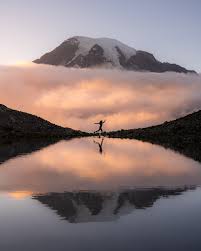
- Strong negative space
- Clean composition
- Balanced visual tension
- Emotional simplicity
The result is often more powerful than complex imagery.
Why Minimalist Photography Works
Minimalism works because it reduces cognitive load for the viewer.
When there are fewer elements in an image:
- The subject becomes more dominant
- The message becomes clearer
- The emotional impact increases
- The viewer focuses longer on the image
This is why minimalist images often perform well in editorial and commercial photography.
Key Elements of Minimalist Photography
1. Negative Space
Empty space is not wasted space—it is a compositional tool.
It helps:
- Highlight the subject
- Create visual balance
- Add emotional atmosphere
2. Single Subject Focus
Most minimalist images include only one dominant subject such as:
- A person
- A tree
- A building
- A silhouette
3. Strong Composition Geometry
Minimalist photography often uses:
- Rule of thirds
- Centered composition
- Leading lines
- Symmetry
4. Color Simplicity
Limited color palettes strengthen visual clarity:
- Monochrome tones
- Soft gradients
- Single dominant color backgrounds
Camera Settings for Minimalist Photography
Minimalist photography is not defined by gear, but settings often help support the style.
Recommended settings:
- Aperture: f/2.8 – f/8 (depending on subject isolation)
- ISO: 100–400 (clean image quality)
- Shutter Speed: adjusted for stability and motion control
- Focus Mode: single-point autofocus for precision

Composition Techniques Used by Professionals
1. Isolation Technique
Placing the subject in a large empty space to emphasize simplicity.
2. Framing with Empty Space
Using sky, walls, or water as clean backgrounds.
3. Symmetry and Balance
Creating visually stable compositions with equal weight distribution.
4. Minimal Color Contrast
Using limited tones to reduce visual distraction.
Common Subjects in Minimalist Photography
Minimalist photography can be applied to many scenes:
- Solitary human figures
- Architectural structures
- Natural elements like trees or mountains
- Shadows and light patterns
- Everyday objects in isolation
Post-Processing in Minimalist Photography
Editing plays a subtle but important role.
Common adjustments:
- Exposure balancing
- Contrast control
- Color desaturation or toning
- Cropping for stronger composition
- Removing distractions
The goal is clarity, not complexity.

Common Mistakes in Minimalist Photography
1. Overcomplicating the Frame
Too many elements destroy minimalist intent.
2. Weak Subject Selection
Without a strong subject, minimalism feels empty instead of intentional.
3. Poor Use of Negative Space
Random empty space without structure weakens composition.
4. Over-Editing
Excessive filters or effects break the simplicity of the image.

Why Minimalist Photography Is Popular in 2026
Minimalism has become increasingly popular due to:
- Social media visual trends
- Clean aesthetic branding
- Mobile photography simplicity
- Modern UI/UX visual influence
- Demand for visually calm content
Brands and creators often prefer minimalist visuals for stronger communication.
Final Thoughts
Minimalist photography proves that powerful imagery does not require complexity. In fact, removing unnecessary elements often strengthens visual storytelling.
In 2026, minimalist photography continues to influence everything from commercial advertising to social media content across the United States.
The core lesson is simple:
👉 What you remove from the frame is just as important as what you include.
SEO Keywords
minimalist photography style analysis 2026, what is minimalist photography, simple photography composition tips, negative space photography guide, clean photography aesthetic, modern minimal photography examples, visual storytelling simplicity