Wedding Photography Case Study: Real Client Shoot Workflow Explained
 shotinspect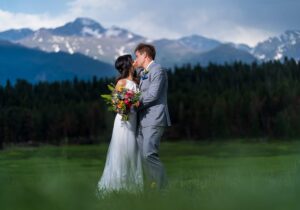
Introduction
Wedding photography is one of the most demanding and high-value genres in professional photography. Unlike controlled studio shoots, wedding photography requires photographers to capture fast-moving, emotional, and unrepeatable moments throughout an entire day.
In this case study, we break down a real-world wedding photography workflow used by professional photographers in the United States, from preparation to final delivery.
Understanding the Wedding Photography Challenge
Wedding photography is unique because it combines:
- Documentary storytelling
- Portrait photography
- Event coverage
- Low-light shooting
- Fast decision-making
There are no second chances—every moment happens once.
Pre-Shoot Preparation
Successful wedding photography begins long before the event day.
1. Client Consultation
Photographers discuss:
- Timeline of the wedding day
- Key moments (ceremony, vows, first dance)
- Shot preferences
- Family group lists
2. Location Scouting
Photographers often visit venues in advance to understand:
- Lighting conditions
- Indoor vs outdoor spaces
- Best portrait locations
- Backup plans for weather
3. Equipment Preparation
A professional wedding setup typically includes:
- Primary camera body + backup body
- 24–70mm zoom lens (versatility)
- 70–200mm lens (ceremony distance shots)
- 35mm or 50mm prime lens (low-light storytelling)
- External flash units
- Extra batteries and memory cards

Wedding Day Workflow
1. Getting Ready Session
This phase focuses on storytelling details:
- Dress preparation
- Makeup application
- Groom preparation
- Emotional family moments
Lighting is often natural or window-based.
2. Ceremony Coverage
The ceremony is the most critical part of the day.
Photographers focus on:
- Walking down the aisle
- Exchange of vows
- Ring ceremony
- First kiss
- Guest reactions
Settings are often high ISO due to indoor lighting conditions.
3. Portrait Session
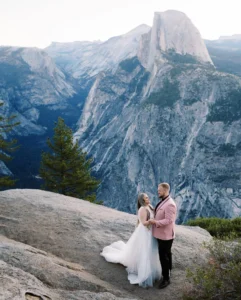
After the ceremony, couples are photographed in controlled compositions.
Techniques used:
- Golden hour lighting when possible
- Soft background blur using telephoto lenses
- Directional posing guidance
- Natural interaction instead of stiff poses
4. Reception Coverage
Reception photography includes:
- First dance
- Speeches
- Cake cutting
- Guest interactions
- Dance floor energy shots
This stage requires fast shutter speeds and flash control.
Camera Settings for Wedding Photography
Typical professional settings include:
- Aperture: f/1.8 – f/4 (subject separation)
- Shutter Speed: 1/125 – 1/500 depending on motion
- ISO: 800–6400 (low light adaptability)
- White Balance: adjusted per lighting environment
Lighting Strategy in Weddings
Wedding lighting is often unpredictable.
Common approaches:
- Natural light during outdoor ceremonies
- Bounce flash in indoor venues
- Off-camera flash for reception lighting
- Continuous LED lighting for video hybrid shoots
Post-Processing Workflow
After the wedding shoot, editing becomes a large part of the job.
Typical workflow:
- Culling thousands of images
- Selecting key storytelling moments
- Lightroom batch editing
- Color grading for consistency
- Photoshop retouching for portraits
- Final export for delivery
Style and Color Grading
Wedding photography styles vary, but common trends include:
- Bright and airy aesthetic
- Warm cinematic tones
- Natural skin tone preservation
- Soft contrast look
Consistency across the entire album is essential.
Common Mistakes in Wedding Photography
1. Missing Key Moments
Ceremony events happen fast—timing is critical.
2. Poor Backup Planning
Always use dual memory cards and backup systems.
3. Overuse of Flash
Can flatten emotional atmosphere if not controlled.
4. Inconsistent Editing Style
Wedding albums must feel visually unified.
Delivery to Clients
Final delivery typically includes:
- High-resolution edited images
- Online gallery access
- Download options
- Print-ready files
Professional photographers often deliver within 2–6 weeks depending on workload.
Final Thoughts
Wedding photography is one of the most challenging but rewarding genres in professional photography. It requires technical skill, emotional awareness, and the ability to work under pressure without missing critical moments.
In 2026, successful wedding photographers in the United States are those who combine strong storytelling ability with efficient digital workflows using tools like Lightroom and Photoshop.
Ultimately, wedding photography is not just about capturing images—it is about preserving memories that cannot be recreated.