Landscape Photography Breakdown: How Professionals Capture Cinematic Mountains
 shotinspect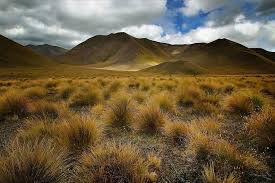
Introduction
Landscape photography is one of the most popular genres in the photography world, especially among travel photographers and outdoor enthusiasts in the United States. From the mountains of Yosemite to the coastlines of California, capturing cinematic landscapes requires more than just a good camera—it requires planning, timing, and a deep understanding of light and composition.
In this case study, we break down how professional photographers capture cinematic mountain landscapes that look dramatic, immersive, and visually powerful.
The Core Idea Behind Landscape Photography
Great landscape photography is not about documenting scenery—it is about transforming nature into a visual story.
Strong landscape images usually focus on:
- Depth and scale
- Light and atmosphere
- Natural composition balance
- Weather conditions
- Emotional impact
The goal is to make the viewer feel like they are inside the scene.
Choosing the Right Location
Location is the foundation of landscape photography.
Popular landscape photography environments include:
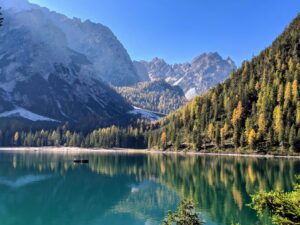
- Mountain ranges
- National parks
- Coastal cliffs
- Desert landscapes
- Forest valleys
In the United States, locations like Yosemite National Park are widely used because of their dramatic cliffs, waterfalls, and natural lighting variations throughout the day.
Timing and Light Conditions
Light is the most important element in landscape photography.
1. Golden Hour (Sunrise & Sunset)
- Warm tones
- Long shadows
- Soft directional lighting
- Ideal for cinematic mountain scenes
2. Blue Hour
- Cool tones
- Atmospheric mood
- Ideal for minimalist landscapes
3. Midday (Challenging but usable)
- Harsh light
- Requires strong composition
- Works well for high-contrast scenes
4. Weather Conditions
Professional landscape photographers often prefer:
- Fog
- Clouds
- Storm light
- Snow conditions
These elements add drama and depth to the scene.
Camera Settings for Landscape Photography
Typical professional settings include:
- Aperture: f/8 – f/16 (maximum sharpness)
- ISO: 100 (lowest noise)
- Shutter Speed: varies depending on light
- Focus: hyperfocal distance or manual focus
👉 The goal is full scene sharpness from foreground to background.
Lens Choice for Landscapes
Landscape photographers usually rely on wide-angle lenses.
Common options:
- 16–35mm wide-angle zoom
- 24mm prime lens
- Ultra-wide 14–24mm lens
Wide lenses help emphasize scale and depth.
Composition Techniques Used by Professionals
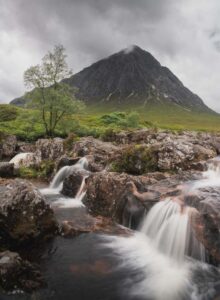
1. Foreground Interest
Adding rocks, trees, or water in the foreground creates depth.
2. Leading Lines
Rivers, roads, and trails guide the viewer’s eye into the scene.
3. Rule of Thirds
Placing horizon lines and key elements strategically for balance.
4. Layering
Separating foreground, midground, and background for depth perception.
5. Scale Elements
Including people or objects to show the size of mountains.
Capturing Cinematic Mood
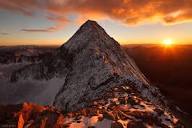
What makes a landscape “cinematic” is not just sharpness—it is atmosphere.
Professional photographers enhance mood through:
- Natural fog or mist
- Dramatic cloud formations
- Backlighting from the sun
- Strong contrast between light and shadow
Post-Processing Landscape Photos
Editing plays a major role in cinematic landscape photography.
Common adjustments:
- Exposure balancing
- Contrast enhancement
- Color grading (warm/cool separation)
- Dehaze tools for atmosphere clarity
- Selective sharpening
However, professional editors avoid over-editing to maintain natural realism.
Planning a Landscape Shoot
Successful landscape photography is often planned in advance.
Key planning tools:
- Weather forecasting apps
- Sun position tracking tools
- Location scouting
- Seasonal timing (snow, autumn colors, etc.)
Timing can determine whether a shot is average or extraordinary.
Common Mistakes in Landscape Photography
1. Shooting at the Wrong Time of Day
Flat light reduces depth and drama.
2. No Foreground Element
Images feel empty and lack depth.
3. Over-Editing
Excessive saturation destroys realism.
4. Ignoring Weather Conditions
Clear skies are often less interesting than dynamic weather.
Final Thoughts
Landscape photography is about patience, planning, and understanding natural light. In 2026, even with advanced camera technology, the most powerful landscape images are still created by photographers who know how to work with nature—not against it.
For photographers in the United States, locations like national parks, mountain ranges, and coastal regions provide endless opportunities for cinematic storytelling.
Ultimately, great landscape photography is not about capturing what a place looks like—it is about capturing how it feels.
SEO Keywords
landscape photography breakdown 2026, cinematic mountain photography, how to shoot landscapes, Yosemite photography guide, wide angle landscape composition, professional nature photography tips, golden hour landscape shooting