Canon RF Lenses Explained: Which Ones Are Worth It in 2026? (Complete Guide)
 shotinspect
Introduction
Canon’s RF lens system has rapidly become one of the most advanced mirrorless ecosystems in the photography industry. Since the launch of the EOS R series, Canon has completely redesigned its lens lineup to deliver sharper optics, faster autofocus, and improved image stabilization.
In 2026, Canon RF lenses cover everything from entry-level zooms to ultra-premium professional glass used in commercial photography and filmmaking. However, with so many options available, many photographers struggle to decide which RF lenses are actually worth the investment.
This guide breaks down the best Canon RF lenses in 2026, helping beginners, enthusiasts, and professionals choose the right lenses based on performance, budget, and real-world use.

Understanding Canon RF Lens System
Canon RF lenses are designed specifically for Canon mirrorless cameras such as:
- Canon EOS R8
- Canon EOS R6 Mark II
- Canon EOS R5 / R5 Mark II
- Canon EOS R3
Key advantages of RF lenses:
- Faster communication between lens and body
- Improved optical design (shorter flange distance)
- Superior autofocus performance
- Better stabilization integration
Canon RF lenses generally fall into three categories:
- RF-S lenses → APS-C cameras
- Standard RF lenses → full-frame users
- RF L-series lenses → professional-grade optics
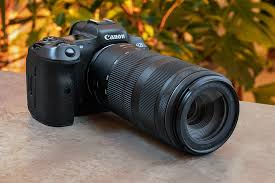
1. Canon RF 24-70mm f/2.8L IS USM (Best All-Round Professional Lens)
This is one of the most important lenses in the entire RF system.
Key Features
- Constant f/2.8 aperture
- Built-in image stabilization
- L-series optical quality
- Fast Nano USM autofocus
Performance
This lens is widely used by wedding photographers, commercial shooters, and videographers. It delivers exceptional sharpness across the entire zoom range and performs extremely well in low light.
The stabilization system allows for handheld shooting in challenging environments, making it highly versatile.
Pros
- Extremely sharp
- Great stabilization
- Professional build quality
Cons
- Expensive
- Slightly heavy
2. Canon RF 50mm f/1.8 STM (Best Budget RF Lens)
Canon’s most affordable RF lens is a great entry point for beginners.
Key Features
- Bright f/1.8 aperture
- Lightweight design
- Quiet STM autofocus
- Very low price
Performance
This lens is perfect for beginners entering the RF system. It produces sharp images with smooth background blur and performs well in low light conditions.
It is commonly used for:
- Portrait photography
- Street photography
- Everyday shooting
Pros
- Very affordable
- Compact and lightweight
- Good image quality
Cons
- Plastic build
- No stabilization
3. Canon RF 15-35mm f/2.8L IS USM (Best Wide-Angle Professional Lens)
A flagship wide-angle lens designed for professionals.
Key Features
- Ultra-wide 15mm focal length
- Constant f/2.8 aperture
- Built-in image stabilization
- L-series weather sealing
Performance
This lens is ideal for landscapes, architecture, and interior photography. The 15mm wide end allows for dramatic perspectives, while maintaining excellent sharpness across the frame.
It is also widely used in video production due to its stabilization and consistent exposure.
Pros
- Extremely wide field of view
- Professional image quality
- Strong stabilization
Cons
- High price
- Large size
4. Canon RF 70-200mm f/2.8L IS USM (Best Telephoto Zoom Lens)
This is one of the most advanced telephoto zoom lenses ever made by Canon.
Key Features
- Constant f/2.8 aperture
- Compact zoom design
- Dual Nano USM motors
- Advanced image stabilization
Performance
Despite its long focal range, this lens is surprisingly compact compared to DSLR versions. It delivers incredible sharpness and fast autofocus tracking, making it perfect for sports, wildlife, and weddings.
It is also widely used in portrait photography for subject compression and background separation.
Pros
- Excellent sharpness
- Fast autofocus
- Compact design
Cons
- Expensive
- Not ideal for beginners
5. Canon RF 16mm f/2.8 STM (Best Budget Wide-Angle Lens)
A compact and affordable wide-angle prime lens.
Key Features
- Ultra-wide 16mm focal length
- Lightweight pancake design
- Affordable price
- Good sharpness
Performance
This lens is popular among vloggers and travel photographers due to its portability. It is especially useful for handheld video, landscapes, and indoor shooting.
While not a professional-grade lens, it offers excellent value for beginners and content creators.
Pros
- Very small and light
- Affordable
- Good for vlogging
Cons
- No stabilization
- Average edge sharpness
Which Canon RF Lenses Are Worth It in 2026?
Best for beginners:
- RF 50mm f/1.8
- RF 16mm f/2.8
Best for enthusiasts:
- RF 24-70mm f/2.8L
- RF 70-200mm f/2.8L
Best for professionals:
- RF 15-35mm f/2.8L
- RF 24-70mm f/2.8L
- RF 70-200mm f/2.8L
Canon RF Ecosystem Strengths
Canon RF system continues to dominate because:
- Excellent color science (skin tones especially)
- Fast and accurate autofocus
- Strong stabilization system
- Professional-grade L-series optics
- Growing ecosystem of RF lenses
It is especially strong in wedding photography, commercial work, and hybrid video production.
Final Thoughts
Canon RF lenses represent one of the most complete and professional mirrorless lens systems in 2026. Whether you are a beginner or a working professional, there is a lens available for every budget and shooting style.
For most photographers in the U.S., starting with a standard zoom like the RF 24-70mm f/2.8L and expanding into telephoto or wide-angle options is the most practical upgrade path.
If you are serious about photography or video, investing in RF lenses ensures long-term system stability and excellent image quality.